The Long Way With Young People
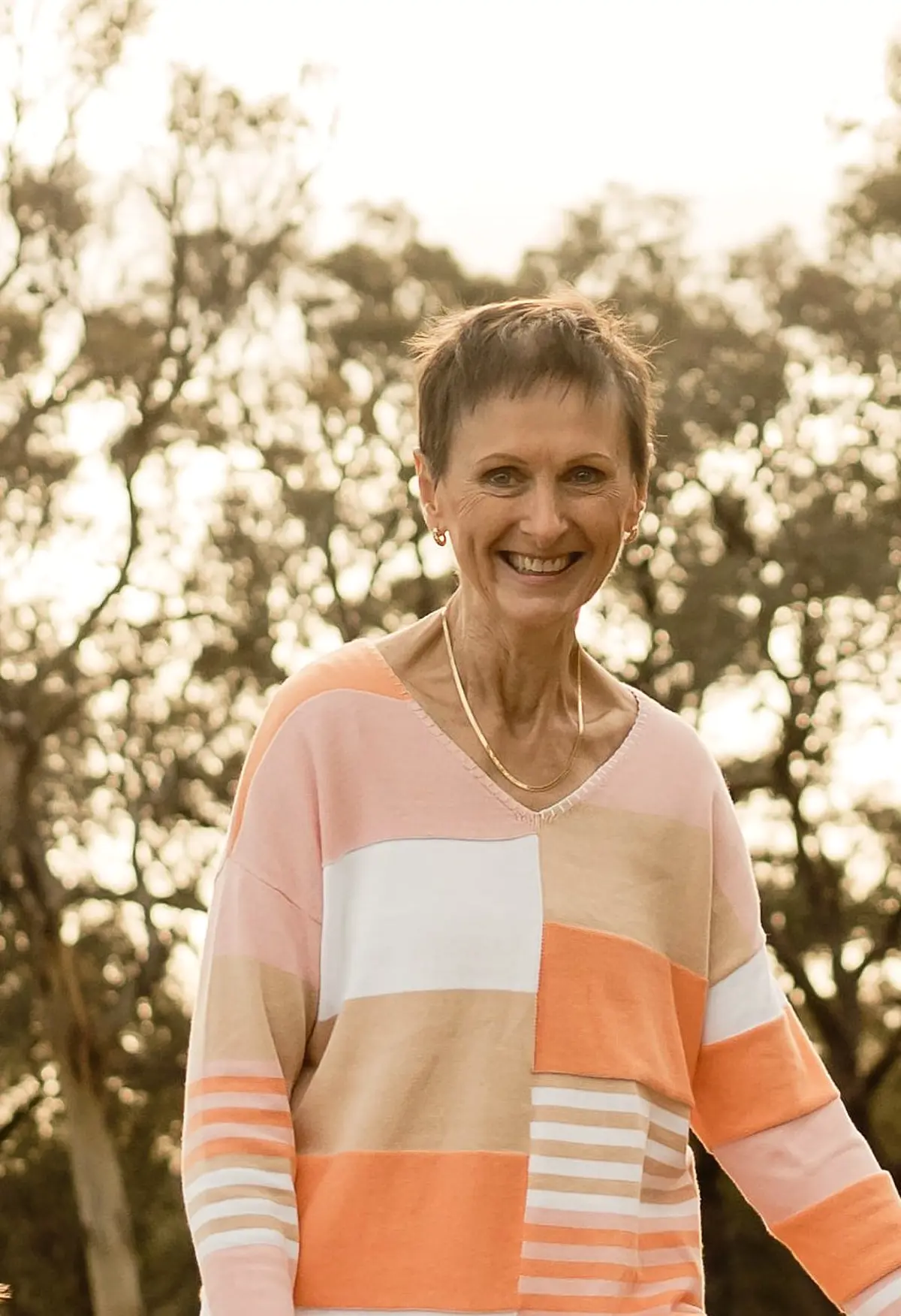
There was a passion at Gungahlin to bring people together and drive the young people’s ministry forward, and someone had to be the one driving this. That person was Narelle Dodd.
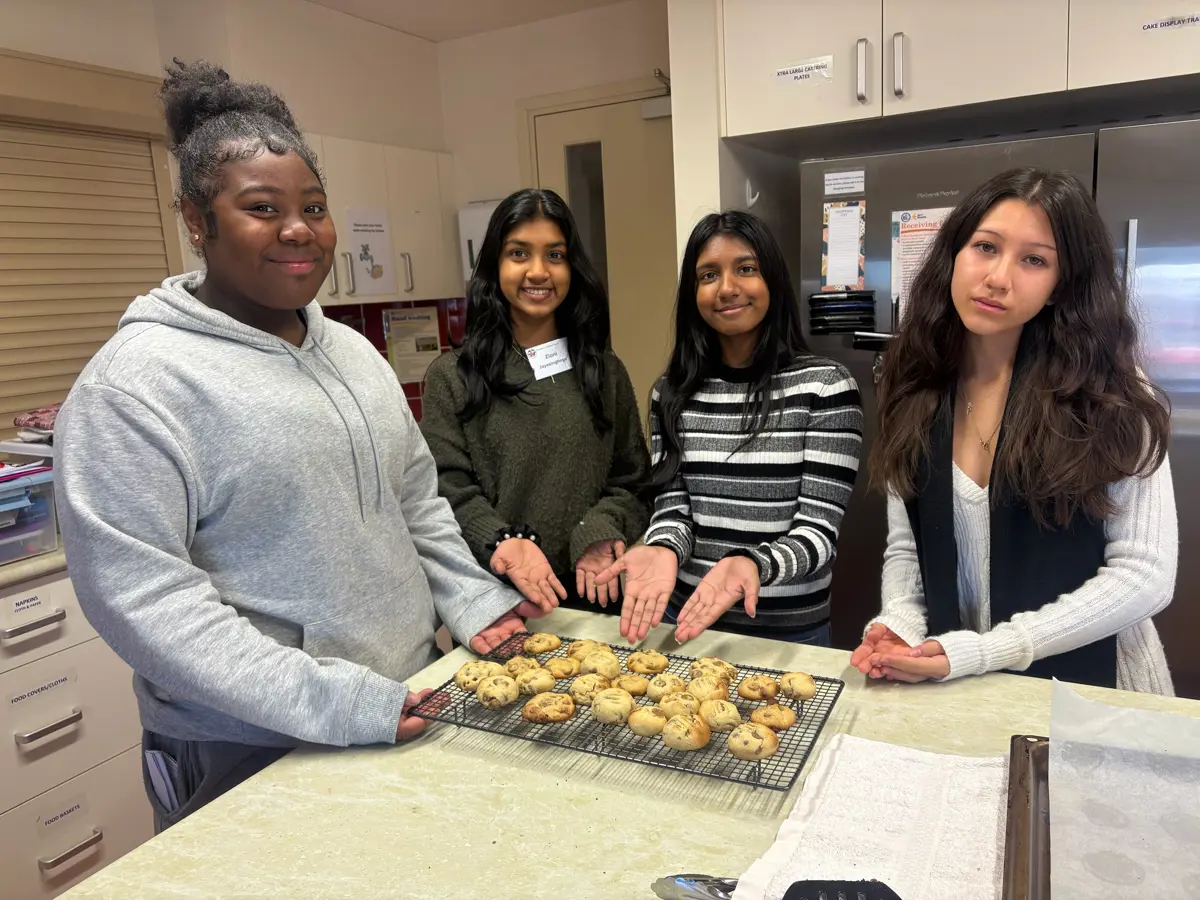
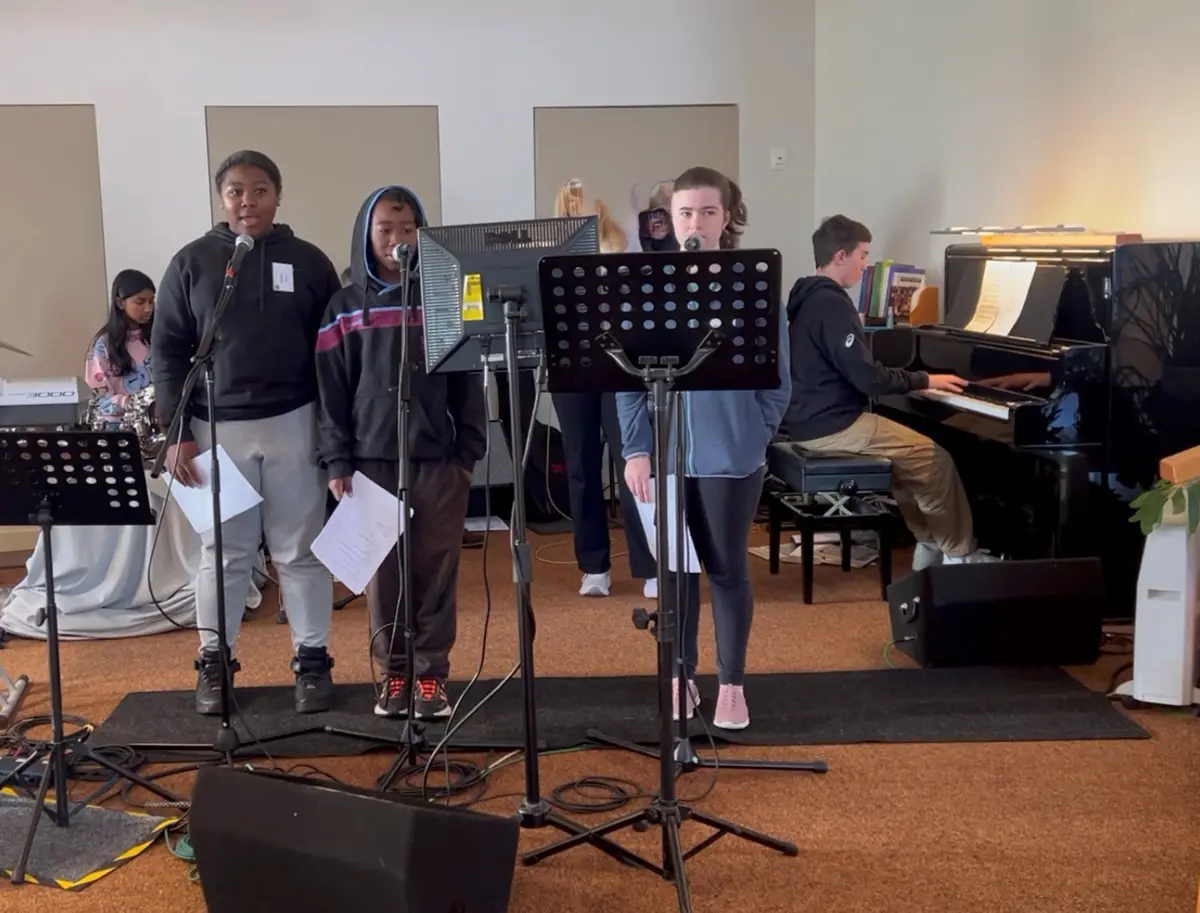
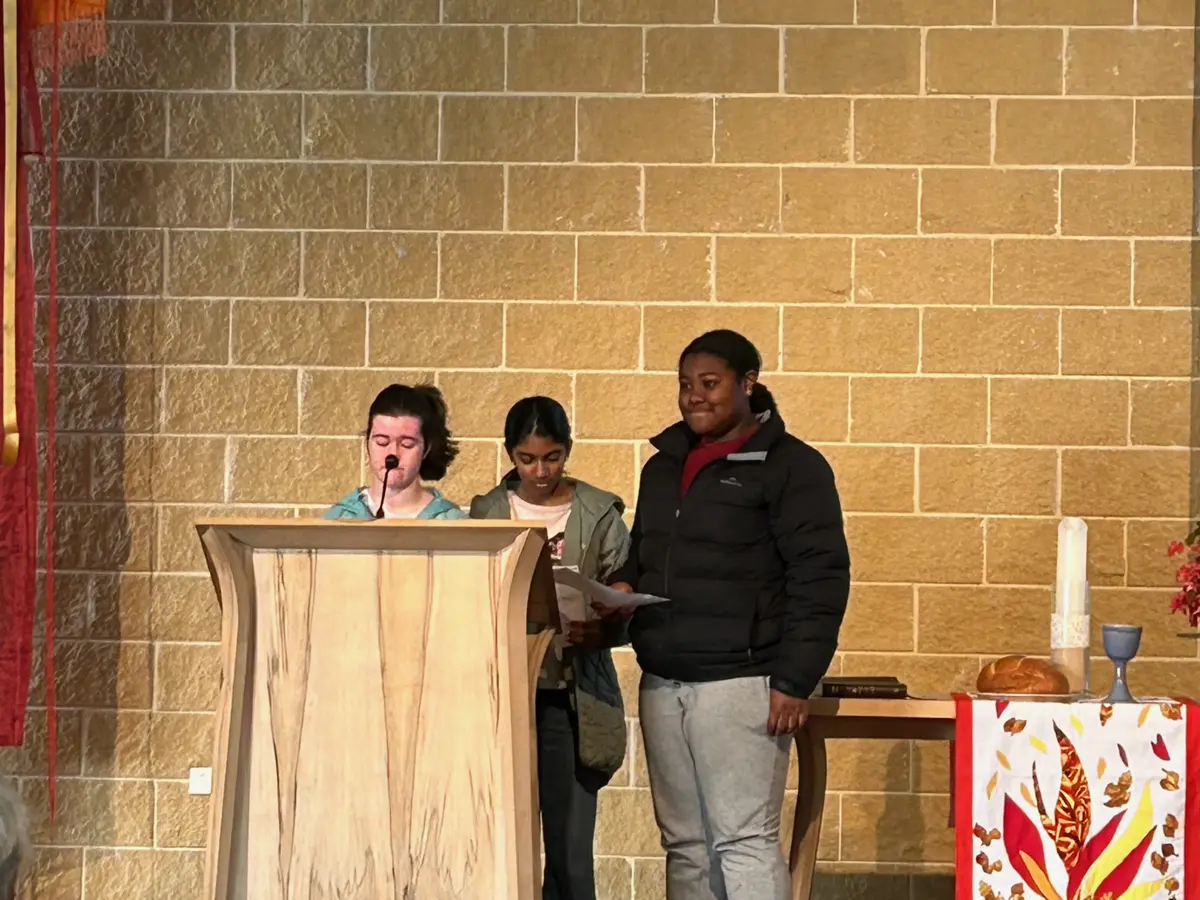
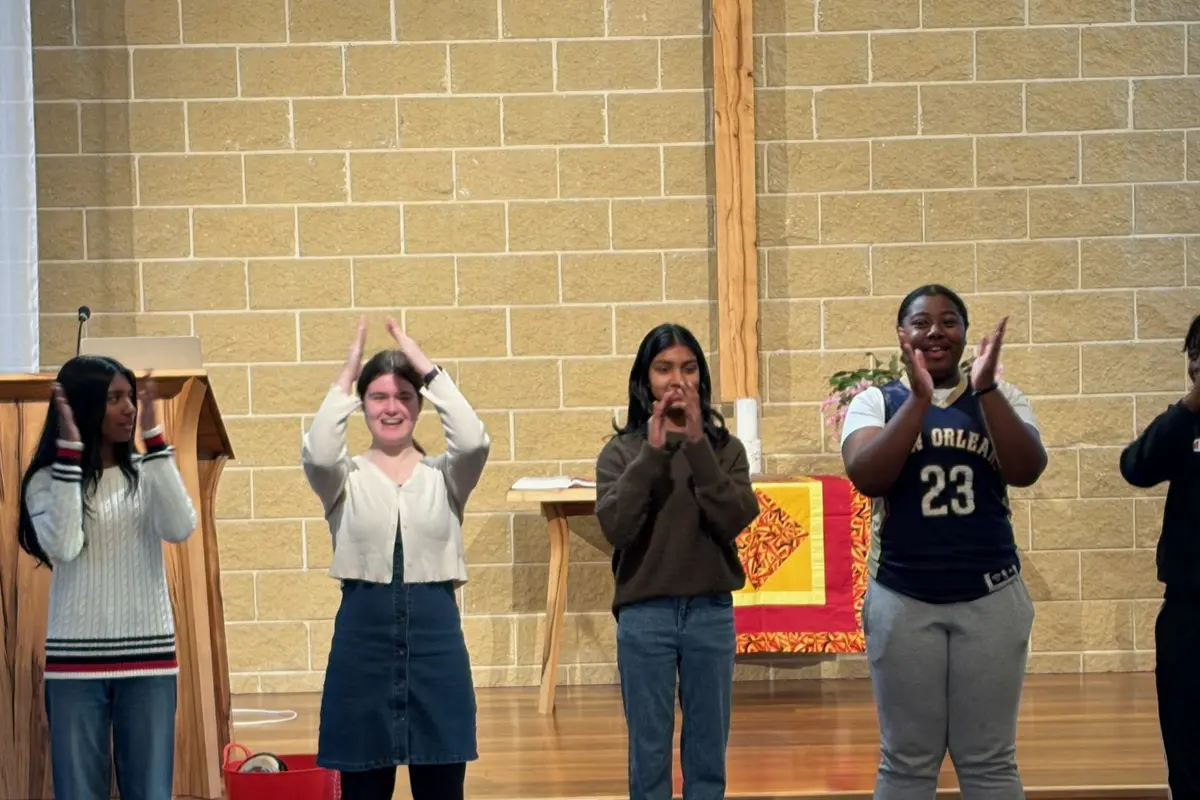
On a Sunday morning at Gungahlin Uniting Church, sixteen-year-old Lyle stands at the front of a Sunday School class he has planned himself. Later, fifteen-year-old Matthew joins Lyle to sit in on church council as junior members. Primary school children read the Bible and the Acknowledgement of Country at the service. The music team, the greeting roster, the food pantry, morning tea. Kids, everywhere, doing the actual work of the church. None of this happened by accident. There was a passion at Gungahlin to bring people together and drive the young people’s ministry forward, and someone had to be the one driving this. That person was Narelle Dodd.
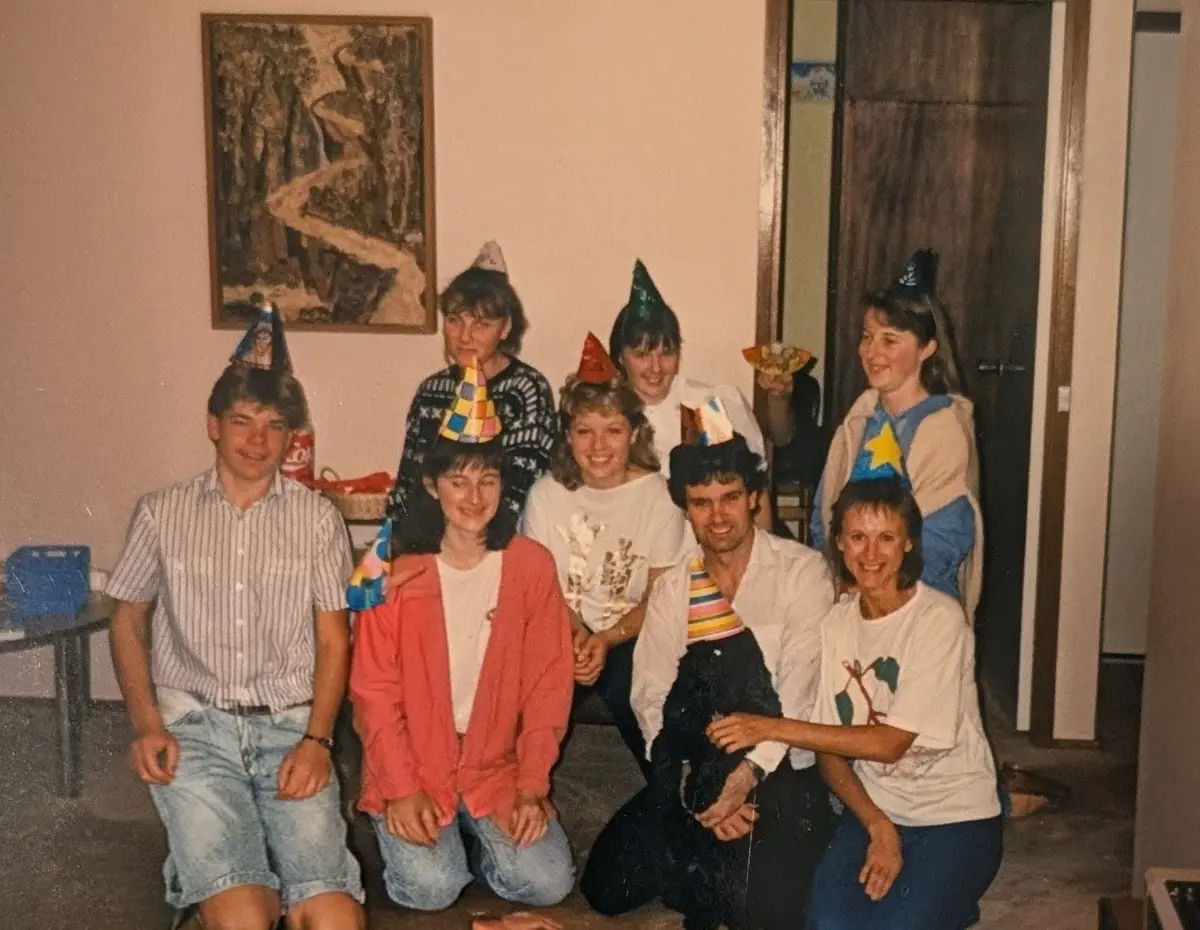
Narelle came to the Uniting Church in the mid-1980s, she and her husband Chris both arriving from other traditions, she from Catholicism and Chris from a Baptist background. What drew them was not doctrine but atmosphere. “We were taken by the inclusiveness,” she says, “and by the sense that it was a denomination that was outward-looking. Not using religion to exclude people, but to include people.” Within a couple of years, they were leading a youth group at their church in Berowra, a still-developing suburb where the tight geography of the neighbourhood seemed to flow naturally into the life of the congregation. The group was only about ten young people. But something in it stayed with her. “We became friends with kids who we are still friends with today,” she says. Chris would steer the teenagers away from easy answers, pressing them to form their own faith rather than simply absorbing someone else’s. Narelle watched what happened when young people were genuinely held by a community and given room to think. It was a picture she would carry for the next four decades.
The family moved to Canberra in 1991, spent time overseas, and eventually found their way to Gungahlin Uniting Church around 1999. It was a meeting in a school hall. “There were stacks of kids,” Narelle remembers. “Noise. Chaos. Energy. Lots of young families.” She immersed herself in children’s ministry, as a leader of the primary-school program for roughly a decade. She and her co-leaders would decorate a classroom each week, dress up in costumes, and generally make themselves look ridiculous so the children could relax into learning. “We’d dress up in superhero costumes, or as mermaids,” she says. “Just having fun with the kids, and making ourselves look silly so that they could laugh.”
When the congregation eventually moved into its own building, Narelle’s role shifted. She took on the treasurer position, then the safe church role, and found herself thinking carefully about the connection between governance and genuine welcome. Soon she came to believe that compliance was not enough on its own. Safety, in her understanding, is not just procedural. It is relational. It always has been.
A few years ago, drawing on a career in public service policy and program management, she coordinated a strategic plan for family and young people’s ministry at Gungahlin. She called on the congregation, regardless of their current or past experience in ministry or family life, to help shape it. A small team formed, led by James Baker from Pulse, to explore what makes young people’s ministry successful. The plan was deliberately ‘bite-sized’, breaking what looked like an overwhelming horizon into stages that the congregation could actually see themselves walking. Presbytery and Synod were encouraging. Church council backed it. The congregation and the young people responded enthusiastically. What followed was a grant to help bring in a dedicated youth worker, a position the congregation is still working to fill.
But the outcomes Narelle reflects on most warmly are not the ones written into any plan. She is someone who notices small things, and it was the small things that moved her most. Getting the children’s programs visible. Reporting back to the whole congregation about what the young people were doing, rather than letting it happen invisibly in a side room. Sending kids to Pulse camps for the first time and watching them come home lit up. “Suddenly they were meeting other kids,” she says. “They were energised. And then they would get up during the Sunday service and talk about it.” That energy spread outward into the Canberra Presbytery Youth Network, now drawing in over six congregations across the region.
And back at Gungahlin, she encouraged a re-framing of what volunteering meant. “You don’t have to be committed all year,” she says. “You could volunteer for an event. You could volunteer for a particular bit.” Volunteers more than doubled in two years. Young people began putting their names on church rosters. New volunteers put their hands up to give children’s talks and help lead various groups. Jess, a mother who had started out in a discussion group, grew into co-leading music across the entire Youth Network alongside Marika from Pulse. Lyle planned and led his own Sunday School term. Parents began pulling their own children into readings, prayers, and talks without being asked. Nobody told them to. The culture had simply shifted.
Last year, this was tested in a way Narelle had not anticipated. She was diagnosed with breast cancer, a severe form that required chemotherapy and radiation, and complications that landed her in hospital and kept her out of large groups for months. She had to step back from almost everything. What happened next she describes as the unexpected gift inside a very hard year. “Other people stepped forward,” she says simply. “Instead of me writing the grant and getting someone to comment on it, somebody else wrote the grant and I commented on it.” The community she had spent years quietly contributing to held the line. Bronwyn took the lead on the grant. Elizabeth and Lynne stepped up to represent Gungahlin at the Canberra Youth Network. Jess, Renee, and Jenelle went as camp leaders to Pulse camps, while Rob and John drove kids across the network. People took on fuller ownership to ensure there were no gaps. The ministry did not stall. It deepened.
When the conversation turns to what has changed between the teenagers she knew in Berowra and the teenagers at Gungahlin today, Narelle says it is not just that young people today face more noise. It is the nature of that noise. No algorithms curated a teenager’s worldview in the 1980s. There were no influencers promoting extreme positions, no architecture designed to ensure a young person only ever encountered a single viewpoint on things. “But today, there is not only so much more information to sift through, but whether that information is correct, and whether there are alternative ways of looking at things.”
In the middle of all that, she says, young people are trying to work out who they are, what they value, and where faith fits in, or whether it does at all. Her response at Gungahlin has been to ask them directly and to keep asking. The answer that keeps coming back from the older teenagers now looking to meet for the first time this term is that they want to understand how their faith connects to the world, not what to believe but how belief sits alongside everything else. It is, Narelle notes quietly, exactly the kind of question Chris used to put to a small group of teenagers in a lounge room in Berowra more than thirty years ago.
“It’s not the amount of faith you have,” she says, “but the faith that holds you.”
She wants young people to own their version of it, however partial or uncertain, to find the part that keeps them coming back, that shapes how they live.
Four decades of watching the youth find their footing in faith has not made her more certain about what faith should look like in a young person. If anything, less so. The job, as she has always understood it, is simply to make space and trust what grows.
Meet Narelle Dodd